182 E. Merrick Road, Freeport, NY 11520Phone: (516) 868-3388
Freeport CollisionFreeport Collision
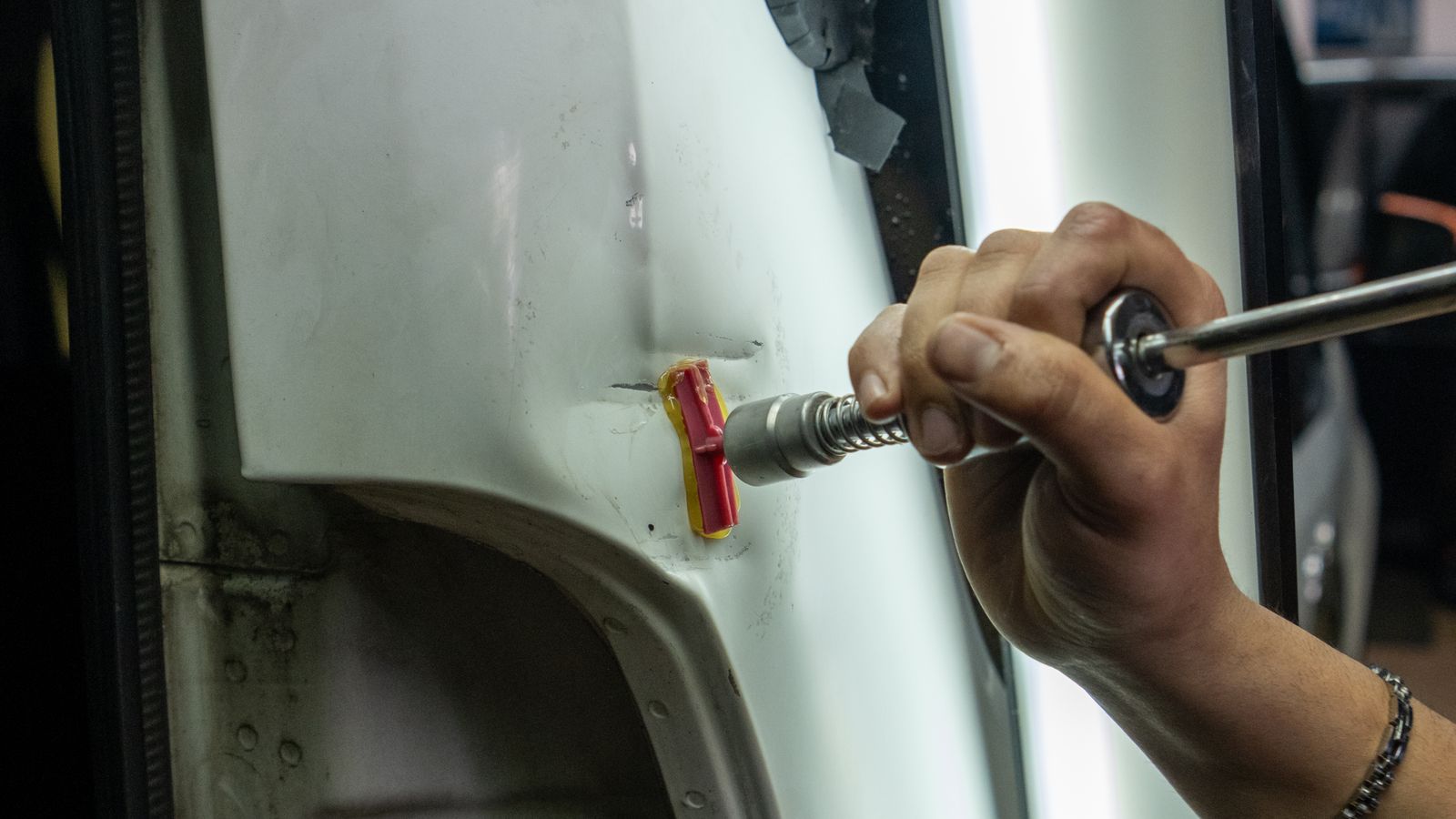
Technician performing collision body repair

Collision Repair planning for the site’s stated service area

Insurance Approved Auto Body Shop

Reliable implementation depends on facts gathered before equipment, dates, or vendors are selected. freeportcollision.com presents this page as a focused planning resource for the exact subject shown above.

Discuss requirements: (516) 232-8932

Editorial reference B9BDFFED8A · freeportcollision.com

Define the outcome before requesting a proposal

For insurance approved auto body shop, start with the people and business processes that depend on the result. Record current conditions, recurring frustrations, required availability, security expectations, physical restrictions, ownership of accounts, and the date by which a change is actually useful. That context gives freeportcollision.com and any competing provider a consistent problem to solve.

The page topic combines Insurance, Approved, Auto, Body. Those terms should become concrete requirements rather than repeated keywords. Write down quantities, locations, users, busy periods, integrations, existing contracts, known defects, and the evidence that will demonstrate completion. A low headline price is not comparable when licensing, configuration, training, documentation, or recurring charges are omitted.

Insurance: discovery

Inventory anything related to insurance approved auto body shop that must remain, change, connect, or retire. Include devices, services, pathways, numbers, permissions, vendors, documentation, and responsible contacts. Mark facts that still require a survey or third-party confirmation.

Approved: decisions

Separate requirements from preferences. Compare options using the same assumptions for the site’s stated service area, including one-time work, recurring charges, licenses, prerequisites, training, testing, support hours, warranties, and the cost of later changes.

Auto: acceptance

Describe observable tests for the finished work. Assign who attends, what is measured, how exceptions are recorded, and when the project moves to support. Acceptance should match the stated business outcome, not only confirm that equipment powers on.

A page-specific planning checklist

  • Confirm the scope associated with Insurance and identify anything explicitly excluded.
  • Document the current state of Approved, including quantities, locations, ownership, and known limitations.
  • Ask how Auto will be configured, protected, tested, and explained to the people who use it.
  • Identify dependencies involving Body, building access, carriers, other vendors, permits, or unavailable records.
  • Define support and change procedures for Shop after the implementation team leaves.
  • Keep a written fallback for Support if a cutover, delivery, approval, or acceptance test is delayed.

Support after launch is clearer when routine requests, urgent incidents, and vendor escalation follow different documented paths.

Decision notes specific to Insurance Approved Auto Body Shop

The following prompts use the exact page subject, insurance approved auto body shop, to keep this the site’s stated service area discussion distinct from a general technology overview.

When current conditions are documented for insurance approved auto body shop, compare required outcomes with optional features for insurance approved auto body shop. The team can use that baseline to reject unnecessary complexity without losing a genuinely required capability. For technical ownership involving Insurance, capture test results in a form the customer can retain. The result is a clearer boundary between approved work, follow-up work, and future ideas.

While proposals are being compared for insurance approved auto body shop, write the measurable outcome expected from insurance approved auto body shop. The notes should distinguish verified conditions from items that still require access, testing, or third-party confirmation. For security review involving Approved, require each important claim to map to an observable acceptance check. The point is not more paperwork; it is a faster decision when an expected condition is not met.

During internal planning for insurance approved auto body shop, map the busiest workflows that depend on insurance approved auto body shop. The same information later helps support staff understand why the selected design differs from a generic configuration. For user readiness involving Auto, document exclusions and optional work beside the related requirement. The control should be simple enough that the people doing the work will actually use it.

During early discovery for insurance approved auto body shop, separate confirmed facts from assumptions surrounding insurance approved auto body shop. This makes tradeoffs easier to explain to both technical reviewers and the people approving the expense. For customer communication involving Body, define how routine requests differ from urgent incident escalation. The customer and provider can then resolve the exception using the same agreed facts.

Before a migration date is selected for insurance approved auto body shop, define the interruption window acceptable for insurance approved auto body shop. The discovery record becomes the source for scheduling, change approval, testing, documentation, and handoff. For post-launch support involving Shop, stage disruptive work around real operating hours and customer commitments. A concise exception log can preserve decisions that would otherwise be lost across calls and messages.

As acceptance tests are drafted for insurance approved auto body shop, identify external approvals and vendor dependencies affecting insurance approved auto body shop. That record gives reviewers a common baseline and prevents each proposal from answering a different question. For cost control involving Support, prepare short user instructions for the workflows most likely to change. It also gives support staff a useful starting point if the issue returns after launch.

Questions to resolve for insurance approved auto body shop

What is included?

Request an itemized scope covering equipment, labor, configuration, project coordination, testing, documentation, training, taxes, recurring services, and optional work. This reveals gaps that a headline price can hide.

How is risk controlled?

Ask about access limitations, protection of existing operations, backups, staged work, change approval, rollback, cleanup, and escalation. The right controls depend on the actual the site’s stated service area environment described during discovery.

Who owns the result?

Confirm ownership of accounts, configurations, records, licenses, equipment, diagrams, and support relationships. A maintainable insurance approved auto body shop result should not depend on a single person’s inbox or memory.