182 E. Merrick Road, Freeport, NY 11520Phone: (516) 868-3388
Freeport CollisionFreeport Collision
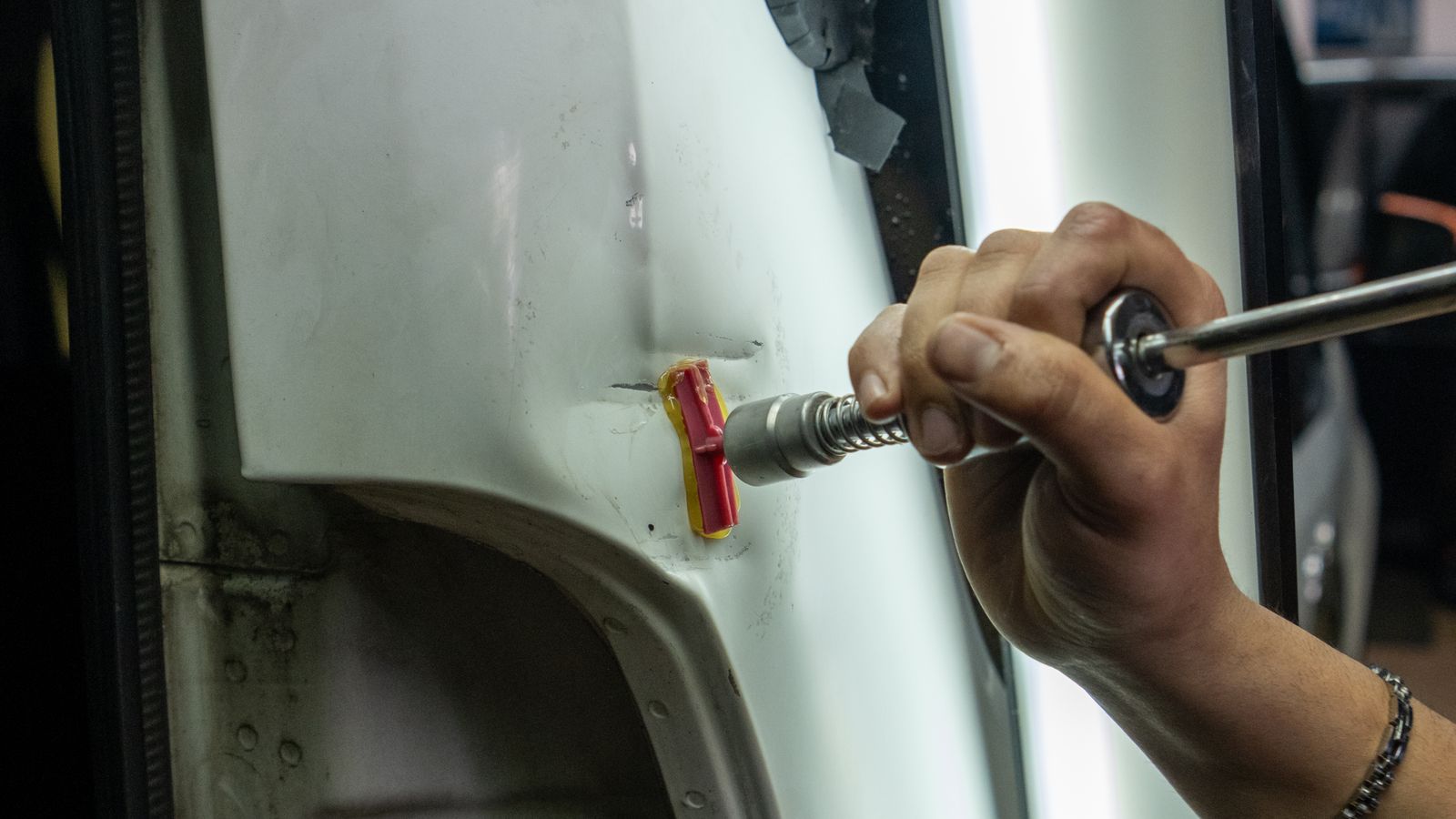
Technician performing collision body repair

Freeport Collision

Long Island Collision Repair Service Areas

Freeport Collision serves drivers across Nassau County, Suffolk County, and the towns and cities of Long Island from its Freeport, NY repair facility.

Call (516) 868-3388

Local help for Long Island collision repair service areas

Freeport Collision provides Long Island collision repair service areas from its shop at 182 E. Merrick Road in Freeport. Customers travel from Nassau County, Suffolk County, and communities across Long Island for collision-related service and insurance-approved repairs.

A useful evaluation considers service availability, vehicle condition, towing or drop-off arrangements, estimate scheduling, insurance information, repair scope, and travel to the Freeport shop. The exact repair plan must follow an inspection of the vehicle because photographs and visible exterior damage may not show every affected part.

What the repair process includes

For Long Island Collision Repair Service Areas, the process begins with damage documentation and a written estimate. Depending on the vehicle, the work may include disassembly, supplements for newly discovered damage, parts coordination, body or structural repair, paint preparation and refinishing, reassembly, and final checks.

For Long Island Collision Repair Service Areas, freeport Collision offers paintless dent repair, frame repair, insurance-approved collision repair, and Direct Repair Program participation. Availability and the correct repair method depend on the specific vehicle, damage, insurer, and claim.

Estimates, costs, and insurance

For Long Island Collision Repair Service Areas, repair cost depends on damage severity, labor operations, parts, paint materials, structural work, scanning or calibration requirements, and findings made after disassembly. An initial estimate may change when hidden collision damage is documented. When insurance is involved, the shop can assist with claim information and repair documentation.

For Long Island Collision Repair Service Areas, call (516) 868-3388 to discuss the vehicle, claim status, towing or drop-off needs, and estimate scheduling.

Long Island towns and cities served

Freeport Collision operates from one repair facility in Freeport. Call before traveling to confirm service and scheduling for your vehicle.

Damage evaluation for Long Island collision repair service areas

A responsible plan begins with the event that caused the damage and a physical review of service availability, vehicle condition, towing or drop-off arrangements, estimate scheduling, insurance information, repair scope, and travel to the Freeport shop. Report warning lights, sounds, leaks, steering changes, panels that stopped operating normally, and prior repairs. Photographs help start a conversation, but angles, lighting, trim, and closed panels can conceal conditions that affect labor, parts, safety, or refinishing.

Repair versus replacement for Long Island collision repair service areas

For Long Island Collision Repair Service Areas, a damaged part may be repairable, may need replacement, or may require disassembly before the choice is clear. Material, deformation, access, corrosion, mounting points, manufacturer procedures, previous work, adjacent damage, and parts availability influence the decision. The estimate should state the initial assumption and the shop should document a necessary change before continuing.

Parts and materials for Long Island collision repair service areas

For Long Island Collision Repair Service Areas, collision work can involve panels, covers, reinforcements, brackets, fasteners, lamps, trim, adhesives, sealers, primers, paint materials, clear coat, and corrosion protection. Parts selection affects fit, scheduling, price, and insurer review. Customers should understand which parts assumptions appear on the estimate and retain any parts or manufacturer documents supplied after completion.

Paint and finish planning for Long Island collision repair service areas

For Long Island Collision Repair Service Areas, refinishing is not simply spraying color over damage. Preparation can include cleaning, sanding, feathering, priming, masking, color evaluation, blending, application, curing, polishing, and inspection under useful lighting. The affected panel, neighboring finish, vehicle color, prior paintwork, and repair method influence which operations belong in the written scope.

Insurance and DRP workflow for Long Island collision repair service areas

For Long Island Collision Repair Service Areas, insurance-approved repair and Direct Repair Program participation can streamline claim communication, estimating, photographs, and status documentation. The insurer's process does not replace inspection of the vehicle. Keep the claim number, insurer estimate, shop estimate, authorizations, supplements, correspondence, final invoice, and warranty information together so later questions can be answered from a complete record.

Why estimates change for Long Island collision repair service areas

For Long Island Collision Repair Service Areas, an initial estimate records visible and reasonably identifiable work at that stage. Damage can extend behind a bumper cover, lamp, trim panel, reinforcement, interior panel, or exterior sheet metal. When additional conditions appear during disassembly, a supplement can document the finding with photographs, labor operations, parts, materials, or outside procedures and route it through the appropriate approval process.

Repair timing for Long Island collision repair service areas

For Long Island Collision Repair Service Areas, completion timing depends on inspection availability, damage severity, vehicle construction, parts supply, insurer response, structural and paint operations, outside services, curing time, reassembly, and final checks. Accurate customer contact information and prompt authorization responses help prevent avoidable delay. A useful schedule communicates known milestones and meaningful changes instead of promising a date unsupported by the actual repair.

Authorization questions for Long Island collision repair service areas

For Long Island Collision Repair Service Areas, before authorizing work, ask what damage is included, what remains subject to further inspection, which parts assumptions were used, whether related refinishing is included, and how supplements will be handled. Confirm payment responsibility, insurer involvement, towing or storage questions, expected updates, warranty terms, and the procedure for reporting a concern after the vehicle is returned.

Final quality review for Long Island collision repair service areas

For Long Island Collision Repair Service Areas, final checks should relate directly to the authorized repair. Depending on the work, review may include panel fit, consistent gaps, fasteners, trim, lamps, paint appearance, warning indicators, cleanliness, and operation of items disturbed during disassembly. The customer should compare the final repair order with the estimate and ask for an explanation of documented changes.

Choosing local help for Long Island collision repair service areas

For Long Island Collision Repair Service Areas, a genuine local result identifies one real facility rather than pretending there is a separate shop in every town. Freeport Collision serves Nassau and Suffolk customers from 182 E. Merrick Road in Freeport. Distance matters, but clear communication, vehicle-specific inspection, repair capability, insurance coordination, documented scope, understandable warranty terms, and accessible follow-up also influence the choice.

Preparing for an estimate for Long Island collision repair service areas

For Long Island Collision Repair Service Areas, bring the vehicle registration information, claim number when applicable, insurer contact details, photographs, prior estimates, and notes about changes noticed since the incident. Remove valuables while leaving relevant damaged items available for inspection. Explain whether the vehicle was towed, driven after the collision, repaired previously, or inspected elsewhere because that history can help organize the evaluation.

Safety and drivability for Long Island collision repair service areas

For Long Island Collision Repair Service Areas, a cosmetic-looking impact does not automatically mean a vehicle should continue to be driven. Warning lamps, fluid loss, tire contact, steering changes, loose exterior pieces, broken lighting, deployed restraints, damaged glass, or a hood or door that will not secure deserve prompt attention. When uncertain, discuss towing rather than relying on a search result to make a safety decision.

Customer communication for Long Island collision repair service areas

For Long Island Collision Repair Service Areas, good repair communication identifies who will provide updates, how questions will be answered, and which decisions require authorization. Customers should supply a reliable phone number and email address and tell the shop about insurer deadlines, rental concerns, travel, or access constraints. The repair facility should distinguish confirmed work from pending parts, approvals, additional inspection, and outside operations.

After the vehicle returns for Long Island collision repair service areas

For Long Island Collision Repair Service Areas, review the completed work in suitable lighting and ask questions before leaving when possible. Save electronic and paper documents in a place connected to the vehicle records. If a concern develops, note the date, conditions, warning messages, sounds, or appearance and contact the repair facility with the final invoice available. Clear information makes follow-up more efficient than an undocumented complaint.

Long Island service coverage for Long Island collision repair service areas

For Long Island Collision Repair Service Areas, customers from Long Island, Nassau County, and Suffolk County are served at the Freeport facility; community names describe the market served and do not represent additional storefronts. Travel time, towing distance, estimate scheduling, insurer procedures, and vehicle condition can affect whether a particular appointment is practical. Calling ahead confirms current availability and what to bring.

Documenting vehicle condition for Long Island collision repair service areas

For Long Island Collision Repair Service Areas, create a simple record before drop-off by photographing the affected areas, the complete vehicle, mileage, warning messages, and personal items that must be removed. Written notes about when symptoms appeared can be helpful when several people have driven or handled the vehicle. Documentation is not a substitute for inspection, but it gives the customer and repair team a shared starting point for later conversations.

Understanding the final invoice for Long Island collision repair service areas

For Long Island Collision Repair Service Areas, the final invoice should reflect the work completed and provide a useful record beyond the initial estimate. Compare major operations, parts, materials, insurer payments, customer responsibility, and supplements with the documents received during the repair. Ask about unfamiliar changes before filing the paperwork. Retaining a readable final record helps with warranty questions, vehicle history, a future sale, or later insurance communication.

Next step for Long Island collision repair service areas

For Long Island Collision Repair Service Areas, call Freeport Collision at (516) 868-3388 with the vehicle year, make, model, damage description, location, and insurance claim information when applicable. The conversation can confirm whether towing is appropriate, what documents to bring, and how to arrange an inspection at the Freeport repair facility.

Long Island Collision Repair Service Areas FAQs

Do I need an in-person estimate?

For Long Island Collision Repair Service Areas, an in-person inspection is the best way to identify visible damage and prepare an initial repair plan. Additional damage may become visible during disassembly.

Can you work with an insurance claim?

For Long Island Collision Repair Service Areas, yes. Freeport Collision provides insurance-approved repairs and participates in Direct Repair Programs. Bring the claim number and insurer information when available.

Where is the repair facility?

For Long Island Collision Repair Service Areas, all customers are served from 182 E. Merrick Road, Freeport, NY 11520. The site does not claim separate shops in every community listed.

Contact us

Tell us what you need and a local specialist will respond.

We use this form only to respond to your request. Do not include passwords or sensitive account information.